VOICES, VISION, AND DIGNITY: AI AT THE SERVICE OF PERSONS WITH SPECIAL NEEDS AND DISABILITIES
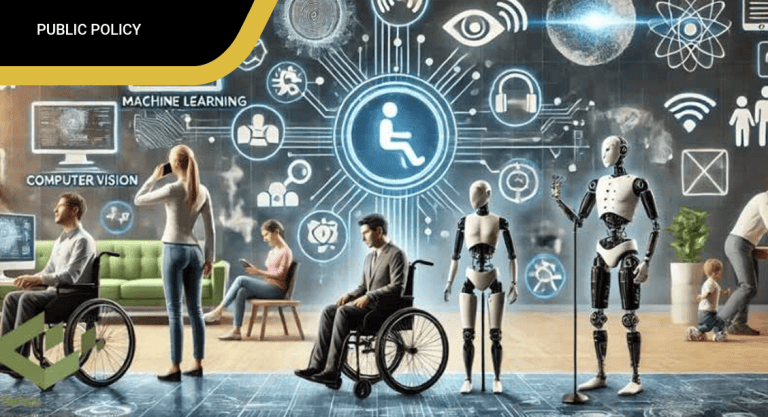
By CPA Awegi Benstone Oluoch Their Challenge Is Lack of Opportunities to Explore Their Exceptional Potential Imagine a world where a Visually Impaired (blind) learner or accountant can “see” through a voice that reads every word, where a (Hearing impaired) deaf lawyer argues confidently in court as captions unfold in real time, where a child with autism finds a friend in a robot that patiently teaches him social cues, and where a paralyzed man takes his first steps with the help of an intelligent exoskeleton. This is not science fiction; it is the quiet revolution of Artificial Intelligence (AI). Yet, behind this promise lies an unfinished question: will AI truly become the great equaliser that transforms the lives of persons with disabilities, or will it remain a dazzling dream accessible only to a privileged few? The answer rests not in machines but in the human choices that stakeholders, YOU and ME, dare to make today. “Technology is best when it brings people together.” These words by Matt Mullenweg capture the essence of what Artificial Intelligence (AI) offers to persons with disabilities: a chance to connect, participate, and live with dignity. For centuries, disability has been associated with barriers to education, employment, healthcare, and even social belonging. Yet, AI is reshaping this narrative by dismantling those very barriers and replacing them with bridges. As Helen Keller once said, “The only thing worse than being blind is having sight but no vision.” AI provides that vision, not just in a literal sense for the blind, but in a broader understanding of creating inclusive futures. For persons with visual impairments, AI restores independence and confidence. Smart glasses, AI-enabled navigation systems, and applications that can read and describe text. Smart glasses, navigation apps, and text-to-speech systems open doors to classrooms, offices, and streets once closed to them. With these