By CPA Samwel Baraka Ochieng
Focus On What Truly Matters
Leadership comes with great ambition, fresh plans, and a quiet pressure to get things done—and done right. Yet, smart leadership is not measured by how much is accomplished, but by the positive impact achieved with the available resources. It requires leaders who pause to think before they act, refine strategy, align resources, and set priorities that sustain rather than strain momentum.
Through my engagements, however, I’ve learned a sobering truth: change does not wait. While strategies are being perfected, the environment can shift, demanding new thinking and faster responses. On one occasion, during a budget review meeting at a mid-sized organization, nearly two hours were spent refining targets that had already become obsolete due to a sudden macroeconomic shift. That moment reminded me how easily even well-intended planning can fall behind reality.
The experience has stayed with me longer, perhaps because it mirrors a pattern we encounter far beyond the boardrooms. For instance, during an ordinary family outing, I was captivated by the whack-a-mole game in the arcade. The moles popped up unexpectedly, inviting quick reactions, and the players had a few hits but many misses. The game’s randomness reminded me of challenges leaders face when they wait too long to act. As the moles appeared without warning and vanished just as quickly, it resembled leadership in the face of uncertainty.
To wait for the “perfect” moment—whether through over-analysis, endless consultations, delayed approvals, or the constant search for complete certainty only leads to missed opportunities. Perhaps you are familiar with and anchored on the adage, “if you fail to plan, you plan to fail.” This article does not challenge that foundation, nor dismisses the importance of planning. Instead, I invite you to think more critically about how you plan, when you act, and what you choose to prioritize amid uncertainties. From the simple kids’ game, I inferred that success is less about reaction but more about positioning. The winner is the player who gets ready before the mole appears, not players who scramble after it disappears. As markets shift, teams evolve, risks emerge, and windows of influence close faster than plans can be revised, every leader’s move must be strategic. Under uncertainty, success depends not on how quickly we react but, on the foresight, to anticipate potential outcomes and build strong systems to navigate them.
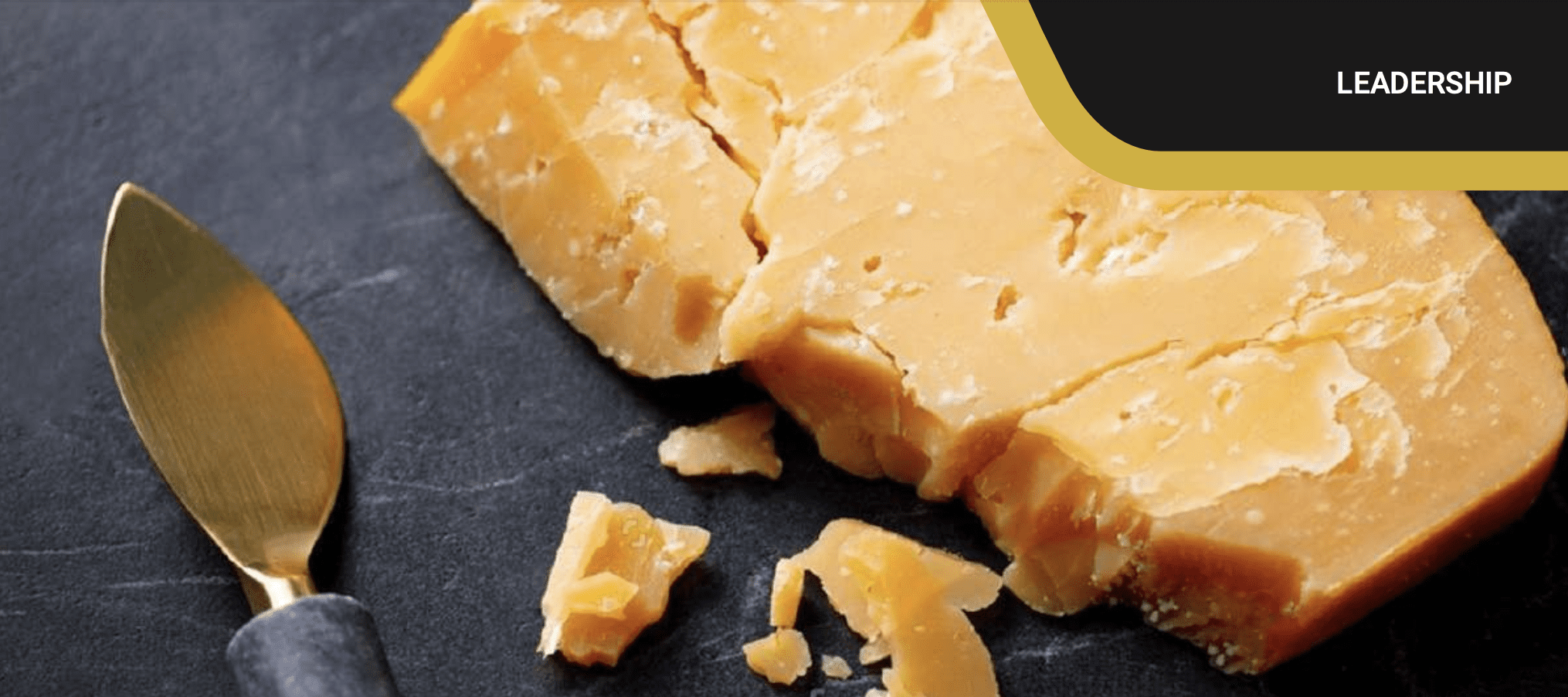
Spencer Johnson, in his fable, “Who Moved My Cheese?” captures a contemporary leadership dilemma. He uses “cheese” to symbolize valued and sought-after business outcomes and opportunities in a story that reminds us that circumstances inevitably shift, whether driven by micro- or macroeconomic forces. When they do, smart leaders anchor their actions in the principle, “The quicker you let go of old cheese, the sooner you can enjoy new cheese.” This calls for discernment and courage in recognizing when the cheese moves, and the readiness to move strategically.
This reality raises practical leadership challenges, especially in the fluid environments shaped by urgency and importance. A leader’s ability to determine what needs immediate action and what can wait helps avoid slipping into the busywork abyss. That positioning anchors them to understanding that, though momentum matters, focus is king. Trying to act everywhere is as risky as acting nowhere. Every effort is weighed against the value it creates, whether in strengthened organizational reputation, market expansion, or operational resilience. A leader’s real risk is not in moving too fast, but in spending effort in the wrong places. Consequently, smart leaders need clear, simple, but practical ways to focus on what truly matters before the cheese runs out. To stand out, well-timed and well-positioned actions, guided by tools like the Impact–Effort Matrix as a practical filter for prioritization, are essential. Just as the cheese in Johnson’s fable keeps moving, so do organizational priorities. To stay ready, the matrix helps to distinguish between mere movement and meaningful progress.
The matrix is a project prioritization tool inspired by the Eisenhower Decision Matrix, which categorizes investments by potential payoff relative to the effort required. Impact is the value or benefits a project delivers, either in revenue growth, operational efficiency, or strategic advantage. Effort refers to the resources, such as time, energy, attention, and capital, required for project completion. High-effort tasks may drain momentum if undertaken prematurely, while low-effort projects can deliver disproportionately high returns when timed and strategically executed. Striking the right balance is what separates smart leaders from the rest. It ensures that scarce leadership resources are directed toward moves that truly matter—before the cheese runs out.
As illustrated below, smart leaders can use each quadrant of the matrix to allocate resources effectively.
| Impact–Effort Matrix | ||||
| Impact | High | Quick Wins | Big Bets | |
| Low | Fill-Ins | Money Pit | ||
| Low | High | |||
| Effort | ||||
Quick Wins: Moving Before the Cheese Runs Out
The Quick Wins are also known as Easy Win projects that occupy the low-effort, high-impact quadrant. They are projects that deliver immediate value without consuming significant resources. I think of them as the low-hanging berries that are so easy to reach, but often overlooked, not because they are hard to harvest, but because they require decisiveness and timing.
Smart leaders seize these opportunities early and use them to build momentum, signal progress, and reinforce team confidence before distractions and delays emerge to erode potential gains. Examples might include clarifying key objectives, resolving small operational bottlenecks, or launching a pilot initiative that demonstrates early results. As leaders capture Quick Wins decisively and act proactively rather than reactively, they conserve energy for larger challenges and position their teams to tackle bigger, more complex initiatives ahead. This allows them to effectively stay ahead of the moving cheese.
Big Bets: Investing in the Cheese That Matters Most
Investing in the cheese, or the projects that matter most, raises a fundamental question: are there investments that matter less? You guessed right! Indeed, some projects demand substantial effort but deliver minimal value. That is why every project should be preceded by a careful analysis, using tools such as discounted cash flow analysis, risk assessment, and feasibility studies to ensure resources are optimally applied. Big Bets are transformative, high-effort, high-impact projects capable of changing an organization’s trajectory and driving significant long-term growth. However, they require substantial resources, careful planning, and enduring focus. Smart leaders’ Big Bets include launching new product lines, entering new markets, and/or implementing major digital projects. In my experience, leaders who rush Big Bets often pay for it later, either in lost morale or organizational sunk costs. Smart leaders pursue Big Bets strategically to capture high-value opportunities, set the strategic, organization-wide tone, and avoid expending effort on lower-priority initiatives—especially given the uniqueness of an organization’s budgeting cycle and financial priorities.
Fill-Ins: Useful, but Secondary
Fill-Ins are projects with low-impact, low-effort features that are easy to complete but don’t significantly advance the organization’s strategic goals. In practice, Fill-Ins could include routine reporting, minor process updates, or non-critical administrative adjustments.
These actions may not be inherently harmful, but overemphasizing them can divert resources from higher-impact initiatives. Smart leaders strategically delegate or schedule all Fill-Ins that don’t align with the organization’s core goals. They pass such roles to others to free themselves for high-impact work like planning and critical problem-solving.
Money Pits: Avoid the Traps That Drain Resources
“What would you do if you were not afraid?” A provocative question Spencer Johnson posed in his fable, “Who Moved My Cheese?” as he challenged leaders to confront habits that quietly drain an organisation’s value. Money Pits are also referred to as white elephants and fall squarely into this matrix’s quadrant. Money Pits are high-effort, low-impact projects that consume a significant portion of limited resources but deliver little proportional value. They may include over-engineered initiatives, redundant process changes, and/or even the low-priority projects that consume team energy. Therefore, above the rest, leaders have learned to identify and defer or even eliminate such projects early to conserve team attention, morale, and resources for activities that truly move the organization forward. When ignored, these traps waste time and allow the organization’s “cheese” to slip away before it can be captured.
In conclusion, as Michael Porter reminds us, “The essence of strategy is choosing what not to do.” Smart leaders decide on what to pursue, what to delay, and what to walk away from altogether. The Impact–Effort Matrix serves as a constant reminder that progress is not achieved by doing more, but by focusing on what matters most. Quick Wins build momentum, Big Bets shape the future, Fill-Ins are managed deliberately, and Money Pits are avoided decisively—one strategic move at a time.
The author is a leadership enthusiast and a member of ICPAK